Licensed and Insured Independent Pros
Every contractor we connect you with runs an independent local business that carries its own license and insurance. Ask for the certificate of insurance at the first visit; a good contractor has it ready.
The water is gone and the fans have been picked up, but the kitchen still has a two-foot flood cut and no baseboards. Rebuilding all of that is restoration, which is its own trade with its own crews.
One call to Doral Water Damage puts you in touch with an independent, licensed and insured rebuild contractor working in Greenville. You get a written, line-itemed scope before anyone picks up a hammer.
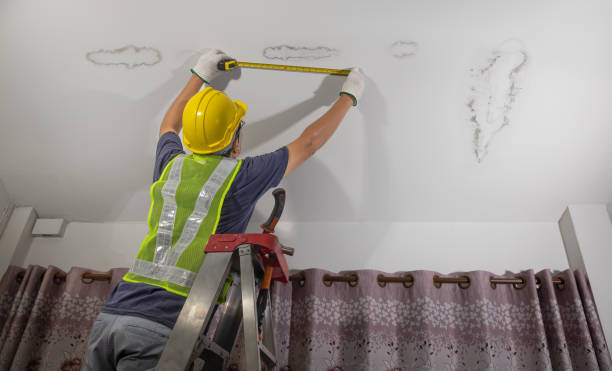
A rebuild after water damage is finish carpentry with an insurance file attached. The independent pros in our network do that kind of work every week in Greenville.
Every contractor we connect you with runs an independent local business that carries its own license and insurance. Ask for the certificate of insurance at the first visit; a good contractor has it ready.
You get a written estimate itemized down to square feet of board, linear feet of base and shoe, and labor hours. Many contractors use the same line-item format adjusters work in, so the claim review moves faster.
Restoration is not usually a midnight job, yet a slow bid can hold up your entire claim. The dispatcher sets a real walkthrough window on the call with a contractor based close to Greenville.
Rebuild crews carry texture hoppers, knockdown knives, trim saws and coping saws, not air movers. That gear and some patience are what make a patched wall look like it was never cut.
The work follows the scope of loss, which lists each material removed during the dry-out that now has to be replaced.
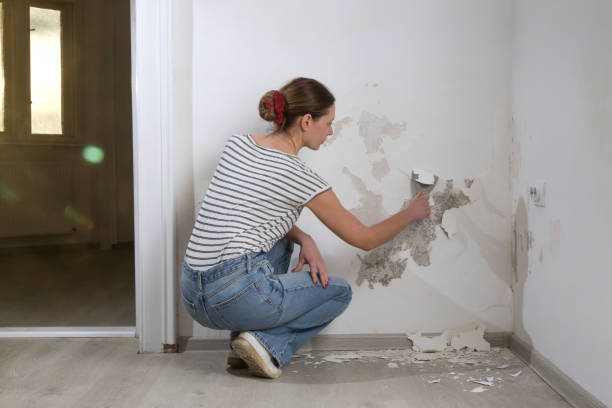
Flood cuts get closed with new board, then tape, three coats of mud and sanding. The real skill is the texture, getting orange peel or knockdown to disappear into the original wall.
Wet MDF baseboard swells and never shrinks back, so it is replaced with a matching profile. Cabinet toe-kicks, and sometimes the sink base itself, get the same treatment after a kitchen leak.
LVP and laminate are usually replaced because water stays trapped under the locking joints. Solid hardwood that was dried quickly can often be refinished, while engineered flooring is far less forgiving.
The crew cuts a small chip from a dry wall and has the paint store scan it for a match. Good contractors repaint the affected walls corner to corner, so there is no halo around the repair.
Contents can be boxed, listed and stored off-site so the crew has open rooms to work in. That inventory also backs up the contents side of your insurance claim.
The contractor keeps the scope, progress photos, drying records and invoices together in a single file. Adjusters move faster when the paperwork answers their questions before they ask them.
Mitigation is the emergency half: stop the water, extract it, tear out what cannot be dried and run equipment until the readings hit dry standard. Restoration is everything after that, and it is much closer to remodeling than to cleanup.
Take a dishwasher supply line that dripped under the cabinets for days before anyone noticed. Mitigation pulls the toe-kicks, opens the cabinet bases for airflow and dries the subfloor. Restoration means sourcing a toe-kick that matches, swapping a swollen sink base and blending new flooring into the old at the doorway.
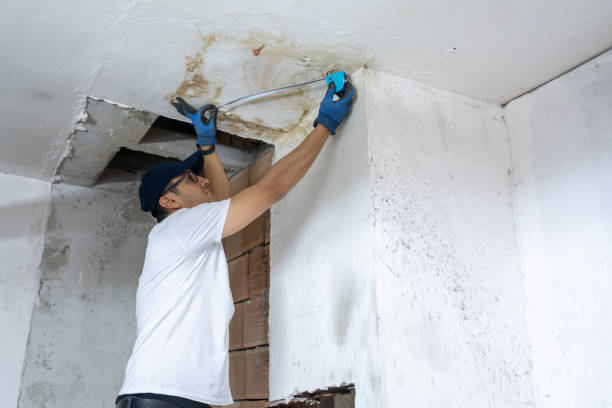
Or think about an upstairs toilet that overflowed and rained down through the kitchen ceiling. After the wet ceiling drywall is cut out and the joists dry, someone still has to hang board overhead, match the texture and paint the full ceiling plane.
The crews that are great at fast tear-out are not always the ones you want doing finish work in your living room.
Plenty of companies only do the dry-out. Ask any contractor directly whether the rebuild is included, and make sure the answer is in the written scope.
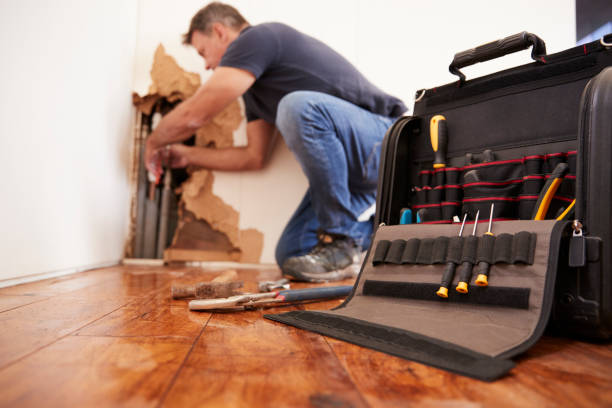
Four steps, and the first one takes about five minutes on the phone.
Let the dispatcher know what came out during the dry-out and whether a claim is already open. We route you to an independent local rebuild contractor and lock in a walkthrough time on the same call.
Your contractor checks every affected room with a meter first, because closing up a wet wall is the most expensive mistake in this trade.
You get a written scope with every line item: drywall, trim, flooring, paint, cabinet work and contents handling. Many contractors send it straight to your adjuster and write a supplement if hidden damage turns up.
When the last coat of paint is dry, you walk the house with the contractor and build a punch list. Nothing gets signed until the punch list is done, and any workmanship warranty should be on paper.
Our dishwasher line leaked under the cabinets for days. When the drying crew left, the sink base was swollen and the toe-kicks were sitting in the garage. The referral line put me in touch with a local contractor who matched the cabinet toe-kicks and talked to our adjuster so I was not stuck in the middle.
Upstairs toilet overflowed and a big chunk of the kitchen ceiling had to be cut out a week before the holidays. The contractor I was connected with hung new board, matched the knockdown and painted the whole ceiling. I honestly cannot find the patch.
I was sure the oak floor in our hallway was a total loss. The contractor took readings, confirmed it was solid hardwood that had dried out, and sanded and refinished it instead of tearing it out. Honestly the floor looks better now than before the leak.
My rental had three rooms stripped to the studs and a tenant asking every day when it would be done. The contractor gave me a line-item scope the insurance company accepted almost as written, and the paint matched on the first try.
Call now and a dispatcher will connect you with an independent rebuild contractor near Greenville.
Mitigation stops the damage from spreading: extraction, tear-out of wet materials, antimicrobial treatment and drying to dry standard. Restoration puts the house back: drywall, texture, trim, flooring, cabinets and paint.
Insurance usually treats them as two parts of the same claim, often with two separate estimates.
It depends on the scope. A single room of drywall and paint can be done in days, while a kitchen with cabinets and new flooring can run several weeks. Most of the waiting is on material orders and adjuster approval, not labor.
Get a written schedule from the contractor that shows which trade comes when.
Generally you can. Your carrier may recommend a preferred vendor, but most policies let you hire the contractor you pick. Check your own policy and confirm with your adjuster before you sign a contract.
A lot of the independent contractors we refer deal with adjusters every week and write estimates the way carriers like them.
Often, if they are solid hardwood and were dried quickly. Mild cupping can settle once the moisture content comes back to normal. A good contractor takes readings over a few days before deciding whether to sand and refinish.
Engineered flooring and boards that crowned, split or buckled usually need replacing.
A careful contractor tests the texture on scrap and paints whole walls to the corners so the repair blends in. Paint is matched from a chip of the existing wall, not from a guess at the color name.
Ask to see the texture sample before it goes on the wall, and walk the room in daylight before sign-off.
The contractors we refer live and work in the area, so they know the local housing stock and the local permit office.
Older homes near downtown Greenville tend to have plaster walls and solid wood trim that take extra care to match. Newer subdivisions mean builder-grade drywall, MDF base and LVP that are easier to source but quick to swell.

Tell us what came out and we will connect you with a local contractor.
Call +1-877-637-9008