Licensed, Insured Independent Contractors
Each contractor on the referral list is an independent business carrying its own license and liability insurance. Ask for the certificate of insurance before anyone starts cutting drywall.
Sewage on the floor is not a mop-and-bucket job. Category 3 water carries E. coli, hepatitis A and parasites, and it soaks into drywall, carpet pad and subfloor within hours. A single call reaches a dispatcher who matches you with a licensed, insured independent crew in Blue Mound that suits up and does it right.
The contractor sets up containment, tears out what cannot be saved, disinfects, and verifies the work before the room is used again. Doral Water Damage is a free referral service and never does the cleanup itself.
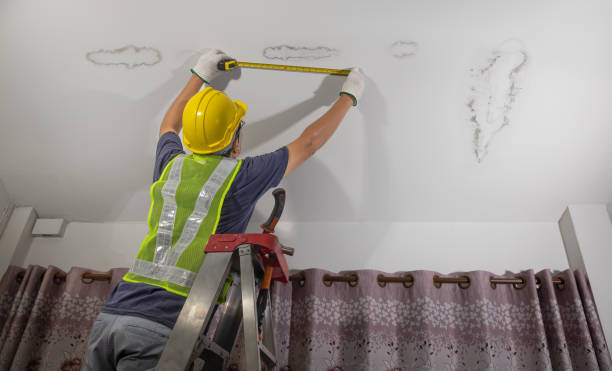
Sewage work rewards crews who treat it like a hazmat job, because that is exactly what it is. These are the four things our dispatchers look for before they route a call.
Each contractor on the referral list is an independent business carrying its own license and liability insurance. Ask for the certificate of insurance before anyone starts cutting drywall.
Before work starts you get a line-item estimate that spells out containment, tear-out, disinfection and testing. When a sewer backup endorsement applies, many contractors work straight with your adjuster.
Backups love holidays and full houses, so the line stays staffed at all hours. The dispatcher confirms a real arrival window on the call instead of a vague promise.
Expect half-face respirators, Tyvek suits, nitrile gloves and rubber boots, along with poly sheeting and HEPA air scrubbers to keep the room under negative air. The job ends with EPA-registered disinfectants and ATP swab readings before the containment comes down.
Every backup is different, and the scope comes down to where the water came from and how far it spread.
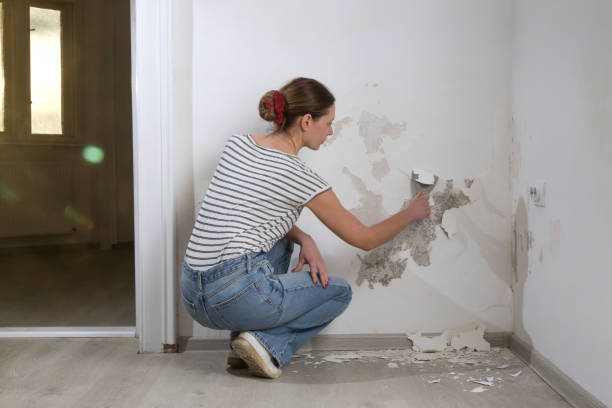
When the lateral clogs, wastewater surfaces at the lowest opening first, usually a basement floor drain or a ground-floor shower. The crew pumps out the waste and works outward from the drain.
Overflow of clean supply water from a bowl is a different category than waste pushed up from beyond the trap. The second kind is black water, and the crew treats every surface it touched that way, ceilings below included.
Sewage-soaked carpet, pad, drywall, insulation and particleboard cannot be disinfected with confidence, so they come out. Crews cut drywall well above the wick line and bag all debris inside the containment.
Poly sheeting and zipper doors stop contaminated dust from drifting into clean rooms. A HEPA air scrubber exhausting outdoors holds the work zone under negative pressure through demolition.
Once tear-out is done, framing, slab and salvageable items get HEPA vacuumed, scrubbed and treated with an EPA-registered disinfectant. ATP swabs or outside lab testing show the area is clean before drying and rebuild start.
A supply-line leak is clean water, and much of what it soaks can be dried right where it sits. Sewage flips that logic, because the question stops being how wet something is and becomes what it is carrying.
Bacteria and viruses settle into drywall paper, carpet backing and raw wood, and no fan pulls them back out. So a sewage crew spends the first hour building containment and suiting up, not setting fans.
The cause matters as much as the mess. A crew can make the basement spotless, but if roots are still packed into the lateral, the next heavy flush brings it all back. Our dispatchers can also connect you with a plumber who sends a camera down the cleanout to find the blockage.
Who owns the pipe? In most places the owner is responsible for the lateral up to the main, while the municipality owns the main. If the camera puts the blockage in the public main, contact public works quickly and keep every receipt.
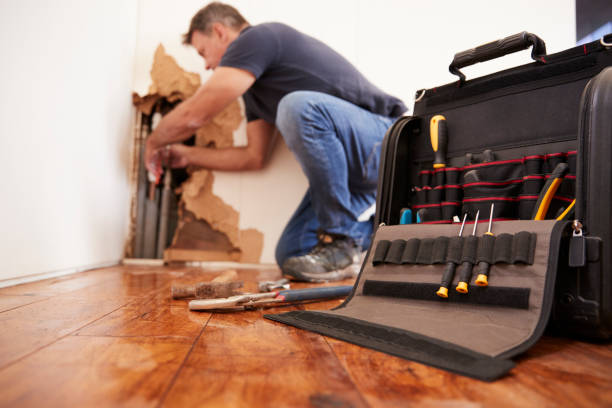
This is the usual order of things once you dial.
Tell the dispatcher where the sewage surfaced, how far it spread and whether it is still coming up. The dispatcher matches you with an available independent sewage crew near Blue Mound and confirms when they can be there.
The crew arrives with respirators, suits and containment materials and seals off the affected rooms before touching anything. If the line is still backing up, they ask you to hold off on water use until a plumber clears it.
The technician maps the contamination, photographs everything and writes a line-item estimate covering removal, disinfection and testing. Work starts after you approve it, and the photos are ready for your adjuster if you file.
With tear-out and disinfection done, the crew runs clearance checks, starts drying, and walks the space with you. You sign off after the results come back, and it pays to ask for the contractor's workmanship warranty in writing.
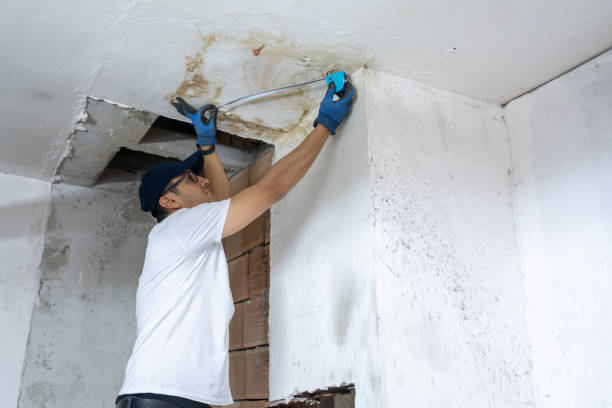
Hold off on all water use and call now, and a dispatcher can line up an independent sewage crew near Blue Mound.
Our maple's roots had packed the lateral solid, and one Sunday morning every basement floor drain began backing up. The referral line connected me with a local crew that taped off the stairwell in full suits before doing anything else. They passed along a plumber, too, who ran a camera and found the root ball.
During my son's graduation party, the upstairs toilet backed up and came through the dining room ceiling. The contractor I was connected with took down the wet ceiling, bagged it inside plastic and swabbed the joists before closing anything up. Getting the estimate in writing first made it easy to say yes.
Late one night my tenant called about sewage rising in the basement apartment. I dialed the referral line on the way over and the local crew beat me there. They removed the carpet and pad, sanitized the slab and gave me a photo report for the insurance company.
A grease blockage shoved sewage up through my restaurant's kitchen floor drains just before the dinner rush. The crew I was connected with worked from the health department checklist and the kitchen was cleared to reopen the next afternoon.
A few cups from a toilet on sealed tile can sometimes be handled with gloves, eye protection and a disinfectant solution. Once it soaks carpet, drywall, wood or a large area, the exposure risk and the contamination you cannot see make it a job for a crew with respirators and containment.
Anything porous that soaked up sewage usually goes, including carpet and pad, upholstered pieces, mattresses, drywall, insulation, particleboard and cardboard. Hard goods like metal, glass and sealed plastic can often be cleaned and disinfected. Photograph everything before it is hauled out for the claim.
That comes down to how far it spread and who lives in the home. When the spill stays in a basement and the work zone is under negative air, many families stay on the upper floors. Infants, older adults and anyone immunocompromised are usually better off somewhere else until clearance.
When a camera inspection puts the blockage in the public main, the municipality may be responsible, and most set a short deadline for filing a claim. If the clog was in your own lateral, a homeowners policy usually pays only with a sewer or drain backup endorsement. Confirm with your own policy and adjuster.
Begin with a camera inspection so a plumber can spot roots, bellies or a collapsed section of the lateral. A backwater valve keeps sewage from flowing back inside when the main overloads. Keep grease, wipes and paper towels out of every drain.
A small spill on a slab can usually be cleaned, disinfected and cleared in a day or two. A finished basement takes longer, since tear-out and drying follow the disinfection. The contractor gives you a timeline along with the written estimate.
Sewage calls get routed to independent crews working all over Blue Mound, from older blocks with clay laterals to newer subdivisions on PVC. Older clay and cast iron lines are where root intrusion and cracked joints turn up most.

The call is free, and the dispatcher stays on the line until an independent crew is confirmed.
Call +1-877-637-9008