Licensed and Insured Independent Pros
Every contractor on our line runs an independent local business with its own license and insurance. That matters when a stranger is walking through your house at 3 a.m.
Standing water does not wait. It climbs drywall, soaks into subfloor and finds every low spot in the house. You need pumps and people at the door, not a callback tomorrow.
Our dispatch line answers at any hour, holidays included, and routes you to an independent, licensed and insured crew working near San Marcos. The dispatcher confirms a real arrival window before you hang up.
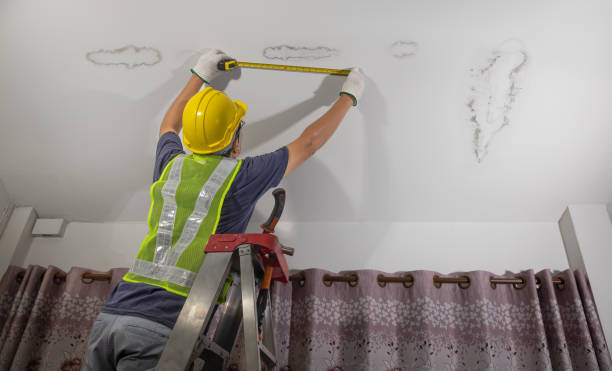
In a live water emergency, two things count: a person answering the phone and a crew with pumps heading your way.
Every contractor on our line runs an independent local business with its own license and insurance. That matters when a stranger is walking through your house at 3 a.m.
Emergency or not, you should see a written estimate before the hoses go down. Many work directly with your insurance adjuster, so you are not fronting the whole bill alone.
Water heaters and washer hoses fail on holidays and at 2 a.m., which is why the dispatch line stays open. The crews are close by, and you get a straight arrival window rather than a vague promise.
Emergency removal crews carry submersible pumps for deep water and trash pumps that handle debris without clogging. They also bring long discharge hose and portable generators for houses with the power cut.
This is what our dispatchers walk callers through on the phone, night after night.
Utility area or garage: Find the main shutoff, often where the line enters the house or near the water heater, and turn it clockwise until it stops. If the water heater is the source, also shut its gas or flip its breaker.
Breaker panel: Only touch the panel if you are standing on a dry floor with dry hands. Kill the breakers for wet rooms, and if water has reached the panel, leave it and say so on the call.
Kitchen and living areas: Set furniture legs on blocks or foil squares to stop wood stain and metal rust from transferring. Pick up area rugs, cords, electronics and anything made of paper.
Rooms below a leak: If a ceiling is bowing down, it is full of water and can drop without warning. Pros usually poke a small hole to drain it into a bucket, and on a big bulge that should be their call, not yours.
Before you mop, move or throw out anything, walk through and take photos and video of every wet room. Your adjuster will want to see it as you found it.
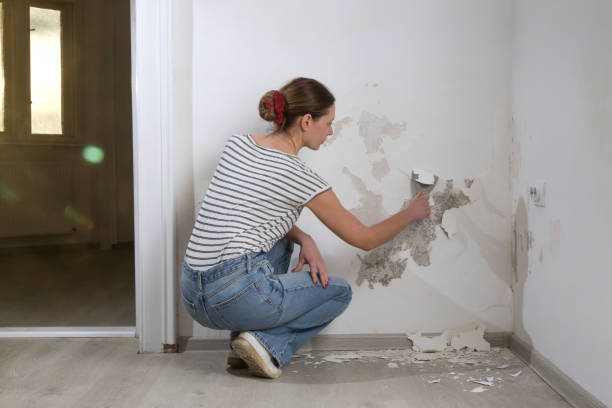
On the first visit, the crew has one job: stop the source, get the water out and stop the spread before morning.
A ruptured 50-gallon tank in a garage at 2 a.m. dumps water until someone closes the cold inlet. Crews isolate the heater, pump the standing water and check whether it ran under the wall into living space.
A washer hose that blows while you are out of town can run for days and reach several rooms plus the level beneath. After pumping, the crew checks walls, cabinet bases and the ceiling underneath for water that is still hiding.
Inches of water need a submersible pump; water with grit, leaves or debris needs a trash pump that will not clog. The discharge hose is run well away from the foundation so the water does not come right back in.
Water trapped above ceiling drywall can bring the whole panel down. Crews clear the room, set buckets and tarps, and drain it in a controlled way before cutting out the wet board.
First comes safety: crews check for energized outlets near water and clear kids and animals from the work area. Furniture is blocked up, rugs are pulled, and valuables are moved to a dry room.
Water emergencies do not respect business hours, and neither does the dispatch line. Ask the contractor up front whether after-hours rates apply, and get the answer on the written estimate.
Tell the dispatcher where the water is coming from, how deep it is and whether the power is still on. We connect you with the nearest available independent crew and confirm when they will arrive.
Your crew shows up with pumps, discharge hose, safety equipment and a generator if the power is out. Their first checks are that the source is off and the wet rooms are safe to enter.
With a meter in hand, the tech traces how far the water spread and gives you a written quote before work begins.
Standing water is pumped out, wet materials are pulled where needed and drying equipment is set. You receive photos and readings for the claim and sign off on the work completed.

The water heater in our garage split open around 2 a.m. and I had no idea where the shutoff was. The dispatcher talked me through closing the valve, then connected me with a local crew that showed up with pumps well before sunrise.
After two days out of town we walked in to a flooded laundry room and water dripping through the ceiling below. The referral line connected me with a nearby contractor who pumped it out and set equipment the same day.
It was Thanksgiving, the in-laws were here, and the bedroom ceiling started bulging. The dispatcher told us to get everyone out of that room and the contractor drained it into buckets before it came down.
Shut off the water at the main or the fixture, cut power to wet rooms only if you can do it from a dry spot, and get people and pets clear. Then photograph everything before you start moving things.
Lift furniture onto blocks or foil and pick up rugs and electronics if it is safe to do so.
It can be, as long as the water is from a clean supply line, wet circuits are off and nothing overhead is bulging. If the water came from a sewer, a toilet or outdoors, keep everyone out of those areas.
The crew will tell you on arrival whether any rooms should be closed off.
Get the water stopped and a crew on the way first, since most policies require you to limit further damage. Report the claim as soon as you can after that, and keep every receipt.
Sudden, accidental leaks are usually covered under a standard homeowners policy, but always check your own policy and adjuster.
Get everyone out of the room and do not stand under it. A bulging ceiling is holding water and can fall. Set a tarp and bucket underneath and mention it on the call so the crew knows what to expect.
Crews usually drain it through a small controlled hole and then remove the wet drywall.
Yes. The dispatch line answers around the clock, and the independent crews in our network take night, weekend and holiday calls. You get a real arrival window from the dispatcher on the call.
Ask whether after-hours rates apply, and make sure that shows up on the written estimate.
The contractors we connect you with are based around San Marcos, so they are not driving in from hours away.
Crews handle older basements near downtown San Marcos, slab homes in newer subdivisions and stacked condos where water travels between units. Apartments and condos add a twist: water from one unit often ends up in the one below.
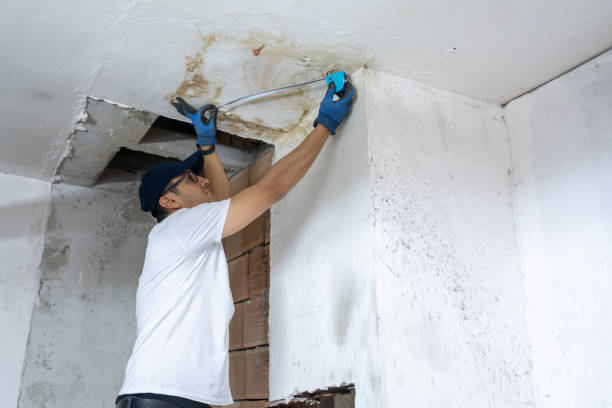
A dispatcher will route you to the closest available independent crew.
Call +1-877-637-9008Every hour of standing water means more tear-out later, so call now and get a crew on the road.