Licensed and Insured Independent Pros
The crews we connect you with are independent local contractors carrying their own license and insurance. That counts for a lot when someone you just met is in your home in the middle of the night.
Water is spreading across the floor and every minute pushes it further under walls, cabinets and baseboards. What you need tonight is someone with pumps on the way, not a voicemail.
Our dispatch line answers at any hour, holidays included, and routes you to an independent, licensed and insured crew working near Harlem Heights. The dispatcher confirms a real arrival window before you hang up.
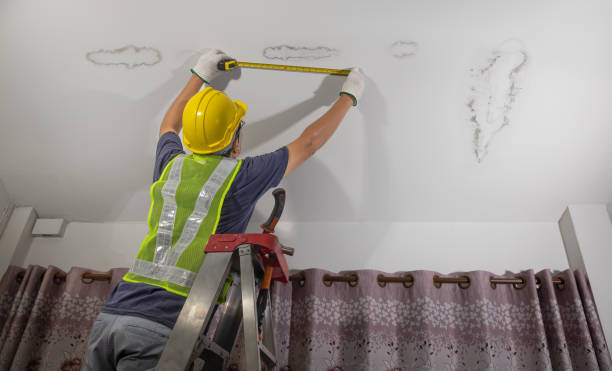
In a live water emergency, two things count: a person answering the phone and a crew with pumps heading your way.
The crews we connect you with are independent local contractors carrying their own license and insurance. That counts for a lot when someone you just met is in your home in the middle of the night.
Emergency or not, you should see a written estimate before the hoses go down. Many work directly with your insurance adjuster, so you are not fronting the whole bill alone.
Nights, weekends and holidays are when pipes and water heaters seem to fail, so the line never closes. The crews are close by, and you get a straight arrival window rather than a vague promise.
Emergency removal crews carry submersible pumps for deep water and trash pumps that handle debris without clogging. They also bring long discharge hose and portable generators for houses with the power cut.
This is what our dispatchers walk callers through on the phone, night after night.
Garage or utility closet: Locate the main valve, usually where the supply pipe comes in or beside the water heater, and close it all the way. If the water heater is the source, also shut its gas or flip its breaker.
Breaker panel: Do not go near the panel unless the floor under you is dry and so are your hands. Kill the breakers for wet rooms, and if water has reached the panel, leave it and say so on the call.
Main living spaces: Lift furniture legs onto wood blocks or squares of aluminum foil so stain and rust do not bleed into carpet. Get rugs, electronics, paper files and photos up off the floor.
Rooms below a leak: A sagging or bulging ceiling is holding water. Stay out from under it. Crews often make a small controlled drain hole into a bucket, but leave that to them if the bulge is large.
Photograph and video every room before cleanup starts. Adjusters want to see the damage before anything was moved.
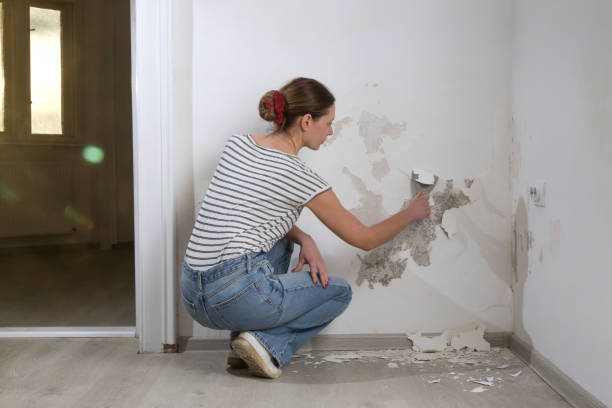
The goal of the first visit is simple: stop the water, get it out, and keep it from spreading overnight.
When a water heater tank splits in the middle of the night, it keeps feeding water until the cold supply is shut. Crews isolate the heater, pump the standing water and check whether it ran under the wall into living space.
A washer hose that blows while you are out of town can run for days and reach several rooms plus the level beneath. After pumping, the crew checks walls, cabinet bases and the ceiling underneath for water that is still hiding.
Clear water inches deep calls for a submersible pump, while dirty water with debris calls for a trash pump. The discharge hose is run well away from the foundation so the water does not come right back in.
A ceiling holding water can collapse onto whoever is underneath. Crews clear the room, set buckets and tarps, and drain it in a controlled way before cutting out the wet board.
First comes safety: crews check for energized outlets near water and clear kids and animals from the work area. Furniture is blocked up, rugs are pulled, and valuables are moved to a dry room.
Water emergencies do not respect business hours, and neither does the dispatch line. If after-hours rates apply, the contractor should say so before work starts and put it in writing.
Say what is leaking, roughly how deep the water is and whether the electricity is on. We route the call to the closest available independent crew and confirm an arrival window.
The crew arrives with pumps, hose, generators if needed and safety gear. Their first checks are that the source is off and the wet rooms are safe to enter.
With a meter in hand, the tech traces how far the water spread and gives you a written quote before work begins.
Standing water is pumped out, wet materials are pulled where needed and drying equipment is set. You get photos and readings for your claim and sign off on what was done.
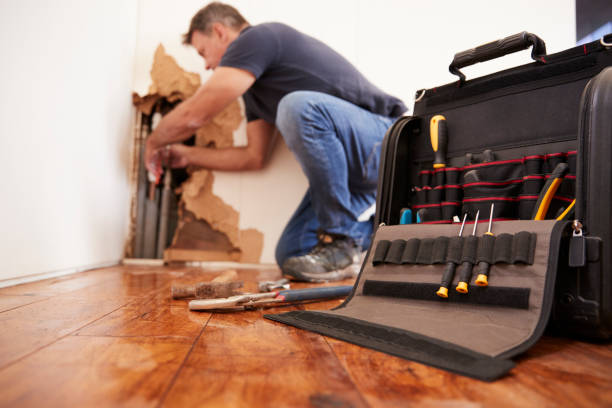
The water heater in our garage split open around 2 a.m. and I had no idea where the shutoff was. The person on the referral line walked me to the valve over the phone and set up a local crew that was pumping before daylight.
After two days out of town we walked in to a flooded laundry room and water dripping through the ceiling below. I called the number, got connected to a contractor near Harlem Heights, and they had the water out and fans running that same afternoon.
On Thanksgiving Day the guest room ceiling started to sag with water. The dispatcher said to clear the room, and the crew we were connected with drained the ceiling safely before it dropped.
Shut off the water at the main or the fixture, cut power to wet rooms only if you can do it from a dry spot, and get people and pets clear. After that, take photos of every wet room before cleanup.
Lift furniture onto blocks or foil and pick up rugs and electronics if it is safe to do so.
It can be, as long as the water is from a clean supply line, wet circuits are off and nothing overhead is bulging. If the water came from a sewer, a toilet or outdoors, keep everyone out of those areas.
When the crew arrives, they will point out any rooms that should stay closed.
Stop the water and call for removal first. Most policies expect you to take reasonable steps to prevent further damage. Then open the claim promptly and save every receipt and photo.
Standard homeowners policies usually cover sudden and accidental water, like a burst hose, but confirm with your own policy and adjuster.
Clear the room and stay out from under it, because a bowing ceiling is full of water and can collapse. Put a tarp and a bucket below it and tell the dispatcher so the crew comes prepared.
Crews usually drain it through a small controlled hole and then remove the wet drywall.
Yes. The dispatch line answers around the clock, and the independent crews in our network take night, weekend and holiday calls. The dispatcher confirms an actual arrival window when you call.
Some contractors charge after-hours rates, so ask and make sure it appears on the written estimate.
The contractors we connect you with are based around Harlem Heights, so they are not driving in from hours away.
Crews handle older basements near downtown Harlem Heights, slab homes in newer subdivisions and stacked condos where water travels between units. In condos and apartments, water rarely stays in one unit, so neighbors below often need help too.
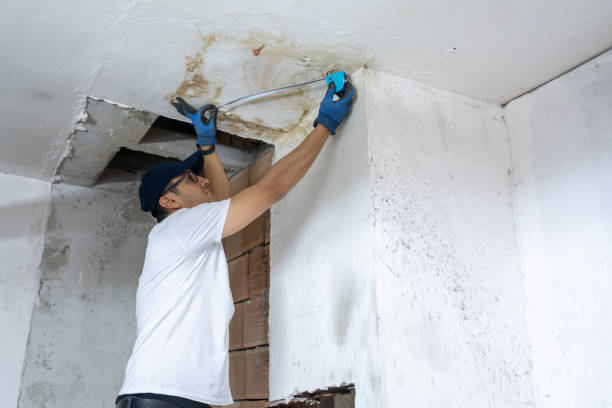
A dispatcher will route you to the closest available independent crew.
Call +1-877-637-9008The longer water sits, the more comes out of the walls later. Call now and get a crew moving.