Water emergency in Boulder? Independent local pros are on call 24/7.Call +1-877-637-9008
24/7 Emergency Line Open

Burst Pipe Repair in Boulder, CO

Water does its worst damage in the first few hours, while it wicks up drywall and soaks into subfloor. One call to our dispatch line connects you with a licensed, insured independent contractor who knows Boulder well.

The crew extracts standing water, maps hidden moisture and sets up professional drying, then hands you a written estimate before repairs. Doral Water Damage is a free referral service and never does the work itself.

  • Independent contractors who carry license and insurance
  • Line-item estimates in writing up front
  • Live dispatch every night, weekend and holiday
  • Detailed photo and moisture records for adjusters
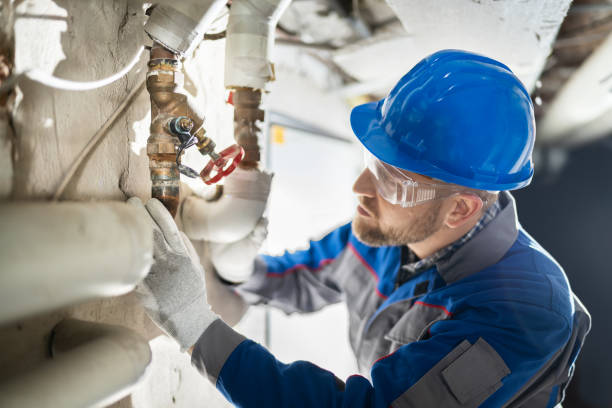
Licensed Burst Pipe Repair service in Boulder, CO - Doral Water Damage

While you wait for the crew

  • Shut off the main water valve if you can reach it safely
  • Keep clear of wet outlets, cords and sagging ceilings
  • Photograph every wet room before moving anything
Who we are

Your Boulder Connection to Water Damage Pros

Doral Water Damage is a free referral service. We pick up, hear what happened, and connect you with an independent water damage contractor working in Boulder, CO.

Most people who call us are standing in an inch of water, holding a phone in one hand and a towel in the other. They do not want a pitch. They want someone to pick up, ask sensible questions, and get a capable crew rolling. That is the whole job of our dispatch line.

The people on our dispatch line have years around restoration work, and several of us came off job sites before taking calls. We know what a supply line failure looks like at two in the morning, how fast laminate cups, and why a wet ceiling should never be poked with a broom handle. That experience lets us ask the questions that put the right contractor, carrying the right gear, at your door on the first trip.

Every contractor in our network is an independent local business that carries license and insurance. They own their own equipment, set their own rates, and answer for their own work. Many of them train to the IICRC S500 water damage standard, and it is perfectly fair to ask your tech about certifications when they show up.

Around Boulder you find a bit of everything: older houses near downtown with plaster and aging pipes, newer subdivisions on slabs with PEX plumbing, condos and apartments that share walls, and small shops with stockrooms in the back. Each one floods differently, and the contractors we connect you with work these buildings week in and week out.

Expect a few quick questions on the call: where the water started, whether it has stopped, how many rooms are wet, what kind of flooring you have, and whether anyone in the house has health concerns. It takes a couple of minutes and it means the contractor shows up prepared instead of making a second trip for equipment.

The call is free. You deal with the contractor directly, sign off on their written estimate, and pay them directly for their work. After the connection, Doral Water Damage stays out of the way unless you want a second referral.

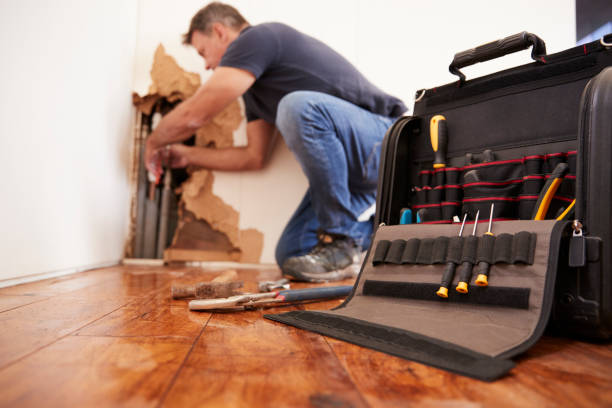
Professional Burst Pipe Repair technician working in Boulder, CO
Services available through the line

Water Damage Repair Services Around Boulder

Contractors in our network handle the full job, from the first extraction pass to the final coat of paint. Here is what that usually includes for homes and businesses in Boulder, CO.

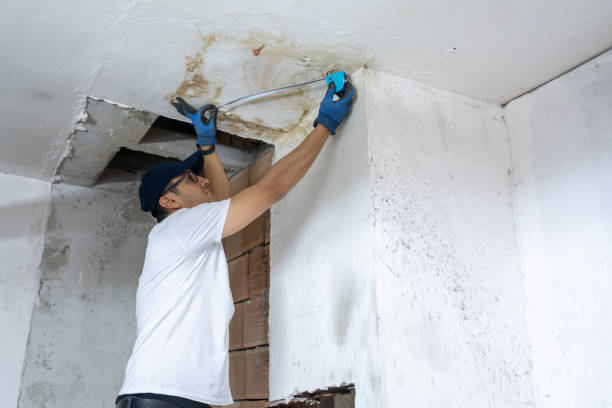
24/7 Emergency Burst Pipe Repair experts in Boulder, CO

Round-the-Clock Emergency Water Removal

When water is still on the floor, the first priority is getting it out fast. Crews bring truck-mounted or portable extractors, submersible pumps for deep water, and weighted tools that press carpet much drier than a shop vac can.

Each gallon removed as liquid is one gallon the dehumidifiers never have to pull from the air. On its own, that can shave days off the drying timeline.

  • Standing water pumped and extracted
  • Soaked carpet pad pulled and bagged if needed
  • Furniture blocked and moved off wet floors

Moisture Mapping and Structural Drying

Water travels farther than it looks. It runs under baseboards, wicks up drywall, and pools in wall cavities you cannot see. Your tech uses pin and pinless moisture meters along with a thermal camera to trace the wet boundary before placing any fans.

Then come the air movers and LGR dehumidifiers, placed by the numbers rather than by guesswork. The crew checks readings every day and logs them until materials match a dry standard taken from an unaffected part of the house.

  • Thermal imaging and moisture meter readings
  • LGR dehumidifiers and air movers matched to the room
  • Daily drying logs you can hand to your adjuster

Home Water Damage Repair and Rebuild

After the structure reads dry, the rebuild work starts. That may include new drywall with matched texture, replaced baseboard and trim, cabinet toe-kicks, paint, and new flooring where the old floor was a loss.

Many contractors handle mitigation and rebuild under one roof, which keeps the schedule tight and gives you one point of contact.

If your insurer has a preferred vendor, you can usually still choose your own contractor. Check your policy, and let the dispatcher know so the contractor documents the job the way your carrier expects.

  • Drywall hung, taped and texture matched
  • Trim, baseboard and cabinet work
  • New LVP, hardwood or carpet where needed

Commercial Water Damage Service

For restaurants, offices, shops and small warehouses, every closed hour costs real money. Contractors who handle commercial jobs can schedule drying around your hours, wall off wet areas so part of the space stays open, and document everything for your commercial insurer.

Typical commercial calls involve restroom supply lines, roof drains above drop ceilings, condensate from walk-in coolers, and sprinkler heads clipped by a ladder. Tell the dispatcher your hours and any inventory at risk so the contractor plans around them.

Ceiling, Wall and Floor Leaks

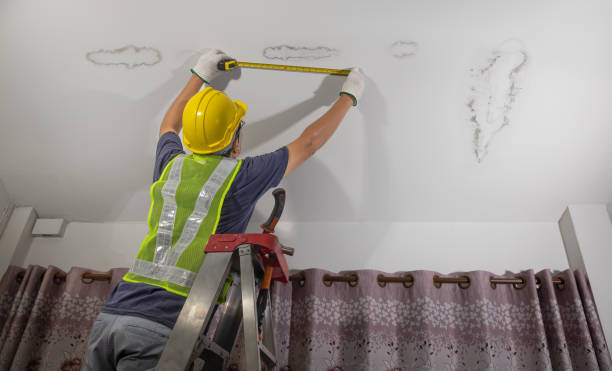
A stain on the ceiling usually means a toilet, tub or supply line upstairs has been leaking longer than anyone knew. Techs trace the source with meters and thermal imaging, open only what is necessary, and dry the cavity before mold gets a foothold.

If the ceiling is bulging, a tech will often drain it on purpose through a small hole into a bucket, which is far safer than waiting for the drywall to give way.

Category 3 and Sewage Water Cleanup

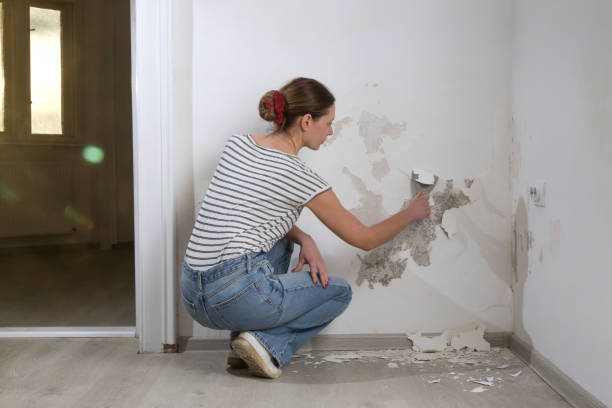
Sewer backups, toilet overflows from beyond the trap, and outside floodwater are Category 3 and carry bacteria and other pathogens. Crews suit up in proper PPE, contain the area with HEPA air scrubbers, pull porous materials that cannot be saved, and treat with EPA-registered antimicrobial before drying.

Kids, older adults and anyone with a weak immune system should stay out of the affected area until the work is finished and cleared.

Not sure which of these you need? That is fine. Describe what you see and the dispatcher will sort it out on the call.

Practical advice from the dispatch desk

Your First Hour After a Leak or Flood

The steps you take before the crew pulls up can save a floor, a wall, or an entire room. None of this replaces professional drying, but it buys you time.

Start by stopping the water. Find the main shutoff and turn it clockwise until it stops. In older homes near downtown Boulder it is often in the basement on the front wall where the line comes in from the street. In newer subdivisions it is usually in the garage, a utility closet, or near the water heater. Condo and apartment owners may find their unit shutoff under a sink or behind an access panel, and building maintenance can close the riser if it comes to that.

Make the space safe. If water has reached outlets, power strips or the panel, do not wade through it to flip the breaker. Call the utility or wait for the crew. Watch the ceiling. Drywall that bulges or sags is holding water and can come down without warning, so keep people and pets out from under it.

Photograph it all before anything moves. Take wide photos of each room, then close-ups of the source, the waterline on walls, and damaged belongings. A quick walk-through video with the date visible is even better, and your adjuster will appreciate it.

Get some air moving, carefully. If the power is safe and the water is clean, open interior doors and run a few household fans to keep air moving across wet surfaces. Keep windows shut on hot, muggy days, since outside air will add more moisture than it takes away. In cold weather, leave the heat on so pipes stay thawed and wet materials keep releasing moisture.

Get belongings up off the floor. Move rugs, electronics, paperwork and anything with sentimental value to a dry room. Put foil squares or plastic lids under furniture legs so finish and rust do not bleed into wet carpet. Leave built-ins and heavy pieces for the crew.

What to avoid: Never use a household vacuum on wet flooring, do not crank the HVAC thinking it will help, and do not rip out drywall before it has been photographed and measured. If the water came from a toilet, a floor drain or outside, assume it is contaminated and keep your hands out of it.

Then make the call. The earlier extraction begins, the more of your home stays where it is instead of going out to the curb. If you are unsure about any of this, our dispatcher can walk you through it while the contractor is on the way.
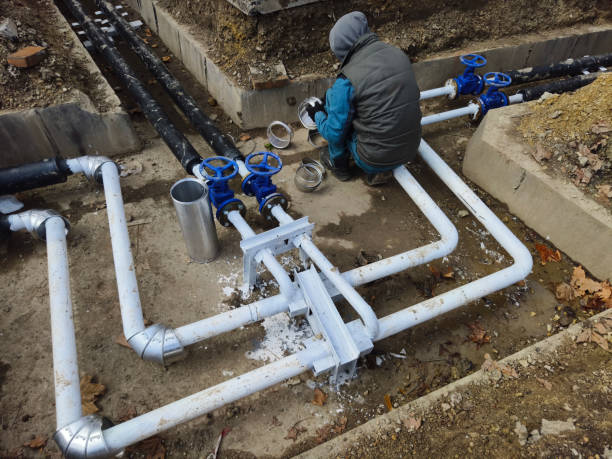
Reliable Burst Pipe Repair contractor in Boulder, CO by Doral Water Damage

Still Have Water Coming In? Get a Local Pro on the Way

Call the free dispatch line and we will connect you with a licensed, insured independent contractor near Boulder, with a real arrival window confirmed on the call.

Call +1-877-637-9008
From first call to finished repair

What Happens After You Call

Every job is a little different, but most follow the same basic path. Knowing what comes next helps you ask good questions and notice if someone is cutting corners.

  1. You Call Our Dispatchers

    A dispatcher asks where the water is coming from, how long it has been running, which rooms are wet, and whether it is clean, gray or dirty water. We then connect you with an available independent contractor nearby and confirm an arrival window before the call ends.

  2. Inspection and Moisture Mapping

    The tech confirms the source is stopped, then classifies the water as Category 1, 2 or 3 and the loss as Class 1 through 4 based on how much material got wet. Meters and a thermal camera mark where the moisture ends, and every area gets photographed.

    The tech will likely pop a section of baseboard, lift a carpet corner and look under the cabinets, since that is where water hides.

  3. Line-Item Estimate in Writing

    Before anything starts you receive a written, line-item estimate covering extraction, equipment, tear-out and any antimicrobial work. Many contractors write estimates in the same format adjusters use, which makes the claim go smoother.

  4. Extraction, Tear-Out and Drying

    The crew extracts standing water, removes wet pad and any drywall that cannot be saved, often with a flood cut a couple of feet up the wall. Then the air movers and dehumidifiers go in, and the tech returns daily to take readings until everything hits its drying goal.

    Please leave the equipment running, even overnight. Turning machines off to sleep or save power resets progress and can stretch the job by days.

  5. Repairs and Final Walkthrough

    After the structure is confirmed dry, the contractor puts back what came out: drywall, trim, paint and flooring. You walk through the finished work together, and it is smart to get any workmanship warranty in writing before you sign off.

Drying usually takes three to five days for a typical clean-water loss, longer for hardwood, plaster or below-grade spaces. The daily readings, not the calendar, determine when the machines get picked up.

Save every estimate, drying log, photo set and invoice together in one folder or email thread. If your adjuster has questions months from now, or you sell the home later, that record shows the loss was handled correctly and dried to standard.

Affordable Burst Pipe Repair solutions in Boulder, CO
Why Boulder callers use us

Why People in Boulder Call Us First

When the floor is wet you do not have time to research ten companies. We hold the contractors we refer to a few plain standards so you can start with someone solid.

These are the same things a seasoned restoration tech would tell a friend to look for, and they are the standards we use when deciding who stays in the network.

Upfront Written Estimates

Contractors we refer write out the scope and price, line by line, before any work begins. That means no surprise bills and nothing to fight over with the adjuster afterward.

Quick Dispatch From Local Crews

We route your call to an independent contractor who already works near Boulder, not a crew three counties away. The dispatcher confirms an actual arrival window before you hang up.

Contractors With License and Insurance

Each contractor we refer carries the licensing and insurance their trade requires in Boulder, CO. Feel free to ask for proof on site, and any solid contractor will hand it over without hesitation.

Written Workmanship Warranties

Contractors in our network stand behind what they do, and many provide a written workmanship warranty on repairs. Just ask to have it in writing before the final walkthrough.

One more thing worth knowing: calling Doral Water Damage is free. You pay only the contractor, and only for work you approved in writing.

Know your building

How Water Damage Shows Up in Different Boulder Homes

After enough years on the phone, you can often guess the problem before the caller finishes describing it. Here is what we tend to hear from different kinds of buildings around Boulder, and what the contractor will be looking for.

  • Older homes near downtown: Galvanized supply lines and cast iron drains that rust from within, plaster and lath that hangs onto water longer than drywall, and basements with aging floor drains. Plaster can frequently be dried in place with time and the right dehumidifier, so ask before anyone grabs a pry bar.
  • Newer subdivisions: Slab foundations, PEX plumbing, and a lot of LVP and laminate flooring. Common sources include failed fittings, ice-maker lines, washer hoses and water heaters in garages or upstairs closets. Water under click-lock floors spreads wide and quickly, so crews often pull planks to dry the slab beneath.
  • Condos and apartments: Shared walls and stacked units mean one leak can touch three or four households. Contractors document each unit on its own, which makes it easier to sort out what falls to your policy, a neighbor's policy, or the association's master policy.
  • Small shops and offices: Stockrooms with product sitting on the floor, restroom supply lines, roof drains above drop ceilings, and walk-in coolers with condensate lines. Drop ceiling tiles that stain usually need replacing, but the grid and the space above can be dried and checked with a thermal camera.

Whatever kind of building you are calling about, the dispatcher will ask, because it changes which equipment the contractor loads up. A desiccant dehumidifier for a cold basement, a ceiling drain kit for a bulging living room, or containment for a shared hallway all start with that one question.

If you know roughly when the house was built or remodeled, mention that too. It hints at what the pipes, subfloor and wall materials are likely to be before anyone opens a wall.

One more pattern worth mentioning is the leak that appears when the weather changes. Lines in exterior walls, crawlspaces and unheated garages can freeze during a cold snap and only begin spraying when they thaw, sometimes a day or more afterward. Heavy rain does something similar to window wells, sump pits and older roof flashing. If you notice a new stain after a storm, call early rather than waiting to see if it spreads.

From people we have connected

What Boulder Callers Told Us Afterward

A few notes from people who called the line and were connected with a local independent contractor.

Our upstairs toilet supply line let go while we were out at a school concert, and we got home to water coming through the kitchen light fixture. I called the line, the dispatcher had me shut off the kitchen breaker and keep clear of the ceiling, and a local contractor showed up that same night.

The tech drained the ceiling on purpose through a small hole into a bucket, something I never would have tried. Drying ran four days, and the adjuster accepted his moisture logs without changes.

Melissa T.Homeowner, Boulder

Our condo shares a wall with a unit whose dishwasher had been leaking for who knows how long. My baseboard was swollen and the closet smelled musty. The contractor the line connected me with scanned the wall with a thermal camera and showed me exactly how far the water had gone, right into my hall closet.

He wrote up two estimates, one for my insurer and one for the HOA, and explained who was likely responsible for what. That alone saved me a lot of back and forth.

Andre W.Condo owner, Boulder

A floor drain backed up in our kitchen on a Saturday night during service. Grease, gray water, the works. I called the line as we closed, and the dispatcher had a commercial crew lined up before we hung up.

They roped off the wet side of the kitchen, ran a HEPA scrubber, cleaned and treated everything, and worked around our prep schedule. We opened Monday on time.

Carlos M.Restaurant manager, Boulder

We live in one of the older homes near downtown, plaster walls and a basement with a history. When a pipe froze and split behind the laundry, I was worried somebody would want to gut the whole wall.

The contractor from the referral line drilled small holes near the floor, dried the cavity with wall injection, and replaced just a short piece of plaster. He put a warranty on the patch in writing.

Joan P.Homeowner, Boulder

I own a small duplex, and a tenant called at 6 a.m. about water seeping under the laminate while I was an hour out of town. The dispatcher put me in touch with a local contractor who met my tenant, texted me photos and meter readings, and emailed a written estimate before starting.

Raj K.Rental owner, Boulder
Common questions

Answers to Common Water Damage Questions

These are the questions our dispatchers hear most often, answered the way we would answer them on the phone.

How fast can a Burst Pipe Repair technician arrive in Boulder, CO?

That depends on the hour, the weather and how busy the night is, so we will not promise a set number of minutes on a website. What we do is connect you with an independent contractor who works near Boulder and confirm a real arrival window with you on the call.

Since crews are local, response tends to be fast, and the dispatcher will be upfront if a big storm has everyone stretched.

Do contractors provide upfront pricing?

Yes. Contractors we refer give you a written, line-itemed estimate before work begins. Emergency extraction sometimes starts right away to stop the damage from spreading, but you still approve the scope first and the paperwork follows the same day.

If the job is an insurance claim, many contractors estimate in the same line-item format adjusters use, which keeps the numbers easy to compare.

What emergency services are available?

Our line is answered around the clock, including nights, weekends and holidays. Network contractors handle emergency extraction, controlled ceiling drains, boarding broken windows, temporary power for equipment, and sewage or floodwater cleanup.

If a plumber is needed to stop the leak first, mention it, since plenty of restoration contractors work alongside plumbers they trust.

Does homeowners insurance cover water damage?

Most standard homeowners policies cover sudden and accidental water damage, like a burst pipe or a washer hose that lets go. They usually do not cover slow leaks that went on for months, and they do not cover surface flooding from outside, which needs a separate flood policy through the NFIP or a private carrier.

Sewer and drain backups often need a specific endorsement. Always confirm the details with your own policy and adjuster.

Should I call my insurance company or the contractor first?

Stop the water, take photos, then call both. There is no rule that says you must wait for the adjuster before starting mitigation. Most policies actually expect you to take reasonable steps to prevent further damage, and extraction and drying are exactly that.

The contractor will document the loss with photos and moisture readings so the adjuster has what they need.

How long does it take to dry out a house?

A typical clean-water loss on drywall and carpet dries in about three to five days with the right equipment running around the clock. Hardwood floors, plaster walls, concrete slabs and basements take longer because they hold more water and release it slowly.

Your tech calls it dry based on daily meter readings compared to unaffected material, not on how the wall feels.

Will I need to have drywall or flooring removed?

Not necessarily. Clean water caught quickly can often be dried in place, sometimes with small holes drilled low on the wall to blow air into the cavity. Carpet pad is usually discarded, while the carpet itself can often be saved after a clean-water loss.

With Category 3 water or soaked insulation, a flood cut is usually the safer call, and the tech will explain why before removing anything.

How do I know if water damage will turn into mold?

Mold can start growing on damp drywall, framing and carpet backing within roughly 24 to 48 hours, especially in warm, stagnant air. That is the biggest reason quick extraction and proper dehumidification matter.

If you already see spots or smell a musty odor, tell the dispatcher so the contractor arrives ready for containment and antimicrobial treatment.

Can I stay in my home during water damage repair?

Usually, yes. For most clean-water losses people stay home while the drying equipment runs, keeping doors to the work area closed. Expect some noise and warmth from the air movers and dehumidifiers, and plan on a few days of living around them.

Sewage, heavy contamination, or a kitchen and only bathroom both out of service can change that, and your policy may cover additional living expenses. Ask your adjuster.

Is Doral Water Damage the company that does the work?

No. Doral Water Damage is a free referral service that connects you with an independent, licensed and insured local contractor who performs the work. You agree on scope and price directly with that contractor, and they are responsible for their own workmanship.

Before they begin, it is fair to ask for proof of license and insurance and to get any warranty terms in writing.

Service area

Serving Every Neighborhood in and Around Boulder

Our network of independent contractors covers Boulder and the surrounding communities in Boulder, CO.

When you call, we route you to an available contractor based on your address, the type of loss, and who has the right equipment free at that moment. That might be someone a few blocks away or someone across town, but it will always be a local independent business, not a national call center sending a stranger.

Downtown blocks, older residential streets, newer subdivisions on the edge of Boulder, apartment and condo complexes, and small commercial strips are all part of the daily routine for the contractors we refer.

If you are calling for a parent across town, a rental you own, or a business you manage, that is fine too. Give the dispatcher the property address and a phone number for whoever can meet the crew. The contractor can send photos, readings and the written estimate to you directly so you can approve the work from wherever you are.

  • Downtown Boulder
  • Older neighborhoods
  • New subdivisions
  • Condos and apartments
  • Retail and offices
  • Rental properties
  • Residential homes of every age and size
  • Multi-unit buildings and associations
  • Restaurants, shops and small offices
  • Landlords and property managers
Top rated local Burst Pipe Repair specialists in Boulder, CO

Reach a local dispatcher now

Let us know what happened and where. We connect you with a licensed, insured independent contractor and confirm an arrival window before you hang up.

Call +1-877-637-9008

Every Hour Counts With Water Damage

Standing water claims more drywall, flooring and framing every hour it sits. Call our free line and we will connect you with an independent local pro in Boulder right now.

Call +1-877-637-9008

Our Services in Boulder, CO

Call +1-877-637-9008
🟢 Techs On Duty in Boulder, CO Call +1-877-637-9008